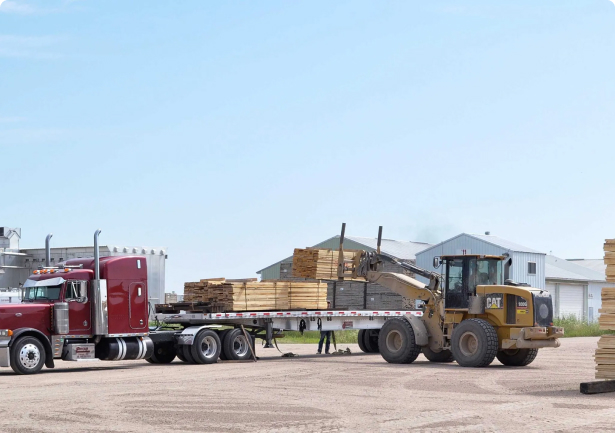
How Lumber Delivery Works: From Yard to Jobsite Across Colorado
Lumber delivery is a critical part of construction and renovation projects across Colorado. From residential builds in Denver to commercial projects in mountain regions, a reliable lumber delivery truck ensures materials arrive safely, on time, and in usable condition.
Understanding how lumber delivery works helps contractors, builders, and homeowners plan projects more efficiently. This guide explains the complete process, the role of lumber delivery trucks, and what to expect when materials move from the yard to the jobsite.
What Is a Lumber Delivery Truck?
A lumber delivery truck is a specialized vehicle designed to transport lumber, plywood, engineered wood, and building materials from a supply yard to a construction site.
These trucks are built to handle:
Heavy and long materials
Stacked and bundled lumber
Secure loading and unloading
Urban and rural delivery routes
In Colorado, lumber delivery trucks must also manage elevation changes and weather conditions.
The Lumber Delivery Process Explained
The lumber delivery process follows a structured workflow to ensure accuracy and safety.
Order Preparation at the Lumber Yard
Once an order is placed, the lumber yard prepares materials based on size, quantity, and specifications.
This step includes:
Picking and grading lumber
Bundling materials for transport
Checking order accuracy
Scheduling the lumber delivery truck
Proper preparation reduces delays and damage.
Loading the Lumber Delivery Truck
Loading is done using forklifts or cranes to ensure stability.
Key loading practices include:
Even weight distribution
Securing bundles with straps
Protecting lumber from moisture
Labeling materials for easy unloading
Correct loading is essential for safe transport across Colorado roads.
Transportation Across Colorado
Colorado’s terrain presents unique challenges for lumber delivery trucks.
Drivers navigate:
Urban traffic in cities like Denver and Boulder
Highway routes between supply yards
Mountain roads and elevation changes
Seasonal weather such as snow and rain
Experienced drivers play a major role in on-time and safe deliveries.
Arrival at the Jobsite
Once the lumber delivery truck reaches the jobsite, unloading begins.
Unloading methods depend on:
Truck type and equipment
Site accessibility
Material size and weight
Customer preference
Some trucks include onboard forklifts or boom cranes for precise placement.
Types of Lumber Delivery Trucks Used in Colorado
Different trucks are used based on job size and location.
Common types include:
Flatbed trucks for standard lumber loads
Boom trucks for lifting materials onto elevated sites
Forklift-equipped trucks for tight spaces
Box trucks for smaller or protected deliveries
The right lumber delivery truck ensures efficient unloading.
Scheduling Lumber Delivery in Colorado
Timing is critical for construction projects.
Important scheduling factors include:
Project timelines
Material availability
Delivery distance
Weather conditions
Jobsite readiness
Clear communication with the supplier helps avoid delays.
Weather Considerations for Lumber Delivery
Colorado weather can affect lumber delivery.
Suppliers take precautions such as:
Covering lumber during snow or rain
Adjusting routes during storms
Scheduling deliveries around severe weather
Using weather-resistant packaging
Planning ahead minimizes disruptions.
Safety Standards for Lumber Delivery Trucks
Safety is a top priority throughout the delivery process.
Key safety measures include:
Proper load securing
Certified drivers and equipment operators
Compliance with transportation regulations
Safe unloading procedures
These standards protect materials, workers, and property.
Residential vs Commercial Lumber Delivery
Delivery requirements vary by project type.
Residential Delivery
Smaller loads
Flexible delivery windows
Driveway or curbside unloading
Commercial Delivery
Large-volume orders
Strict scheduling
Advanced unloading equipment
Coordinated site access
Choosing the right lumber delivery option ensures efficiency.
Benefits of Professional Lumber Delivery Services
Using professional lumber delivery services offers several advantages.
Benefits include:
Reduced handling damage
Accurate order fulfillment
Time savings for builders
Access to specialized lumber delivery trucks
Reliable scheduling and tracking
Professional delivery supports smooth project execution.
Common Challenges in Lumber Delivery
Understanding challenges helps prevent problems.
Common issues include:
Limited jobsite access
Incorrect material quantities
Weather delays
Traffic congestion
Unprepared unloading areas
Proactive planning reduces these risks.
How to Prepare Your Jobsite for Delivery
Proper preparation ensures quick and safe unloading.
Preparation tips include:
Clear access routes for the truck
Designated unloading zones
On-site personnel available
Proper storage areas for lumber
A ready jobsite saves time and labor.
Choosing the Right Lumber Supplier in Colorado
Not all suppliers offer the same delivery capabilities.
Key factors to consider include:
Fleet quality and truck types
Driver experience
Delivery coverage across Colorado
Scheduling flexibility
Customer support
A reliable supplier makes lumber delivery predictable.
Conclusion
A lumber delivery truck plays a vital role in moving materials from the yard to the jobsite across Colorado. From careful loading and transportation to safe unloading, every step affects project timelines and material quality.
By understanding how lumber delivery works and preparing accordingly, builders and homeowners can ensure smoother projects, fewer delays, and better results.
FAQs
What does a lumber delivery truck carry?
A lumber delivery truck transports lumber, plywood, engineered wood, and related building materials.
How far can lumber delivery trucks travel in Colorado?
Delivery distances vary by supplier but often cover cities, suburbs, and remote mountain areas.
Can lumber be unloaded exactly where needed?
Some trucks include booms or forklifts that allow precise placement at the jobsite.
How does weather affect lumber delivery?
Snow, rain, and storms can delay delivery, but suppliers take precautions to protect materials.
Do I need to be on-site for lumber delivery?
It is recommended to have someone present to guide unloading and verify the order.
