Owens Corning Structural Lumber vs Standard Wood: What’s the Difference?
When most people think of lumber, they picture traditional wood—pine, cedar, fir, or pressure-treated boards. But modern construction increasingly relies on engineered and composite alternatives designed to solve problems that standard wood can’t always handle.
One name that often comes up in this conversation is Owens Corning. Known primarily for insulation and building materials, Owens Corning also plays a role in the broader category of structural lumber alternatives used in residential and commercial construction.
So what exactly is Owens Corning structural lumber, and how does it differ from standard wood? This guide breaks it down in plain terms—materials, performance, use cases, and when it makes sense to consider it.
What Is Owens Corning Structural Lumber?
“Owens Corning structural lumber” typically refers to engineered structural materials produced by Owens Corning that are designed to replace or complement traditional wood framing in certain applications.
Rather than being milled from trees, these materials are:
Engineered for consistency
Manufactured for moisture resistance
Designed to meet specific structural or thermal performance goals
They’re often used where dimensional stability, durability, or insulation performance is more important than the natural appearance of wood.
How Structural Lumber Differs from Traditional Wood
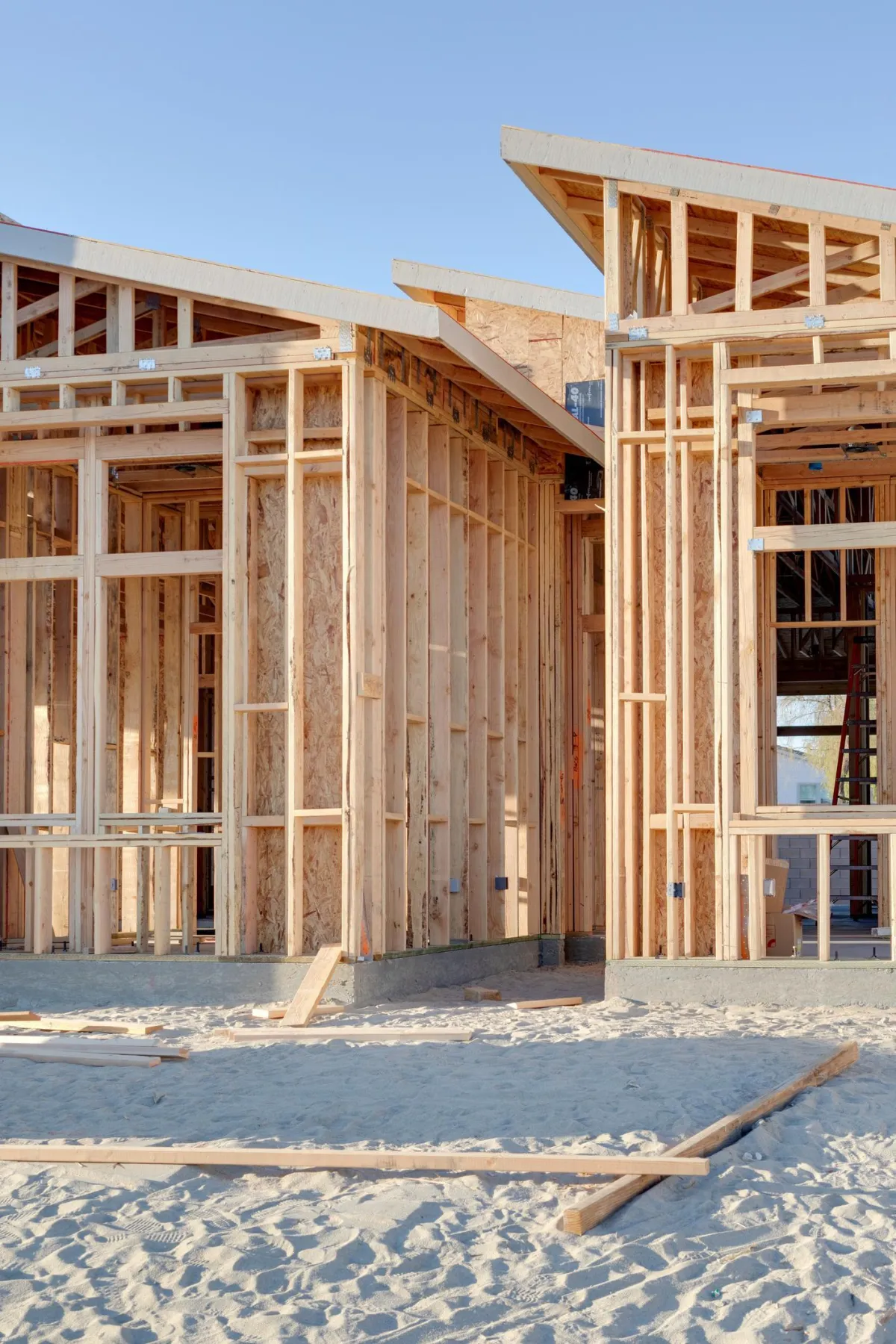
Traditional lumber is a natural material. While it’s versatile and widely used, it comes with inherent limitations.
Common Challenges with Standard Wood
Warping and twisting over time
Moisture absorption and rot
Insect damage
Natural inconsistencies in strength and grain
Expansion and contraction with temperature changes
Structural lumber alternatives aim to reduce or eliminate many of these issues through controlled manufacturing.


What Makes Owens Corning Structural Materials Different?
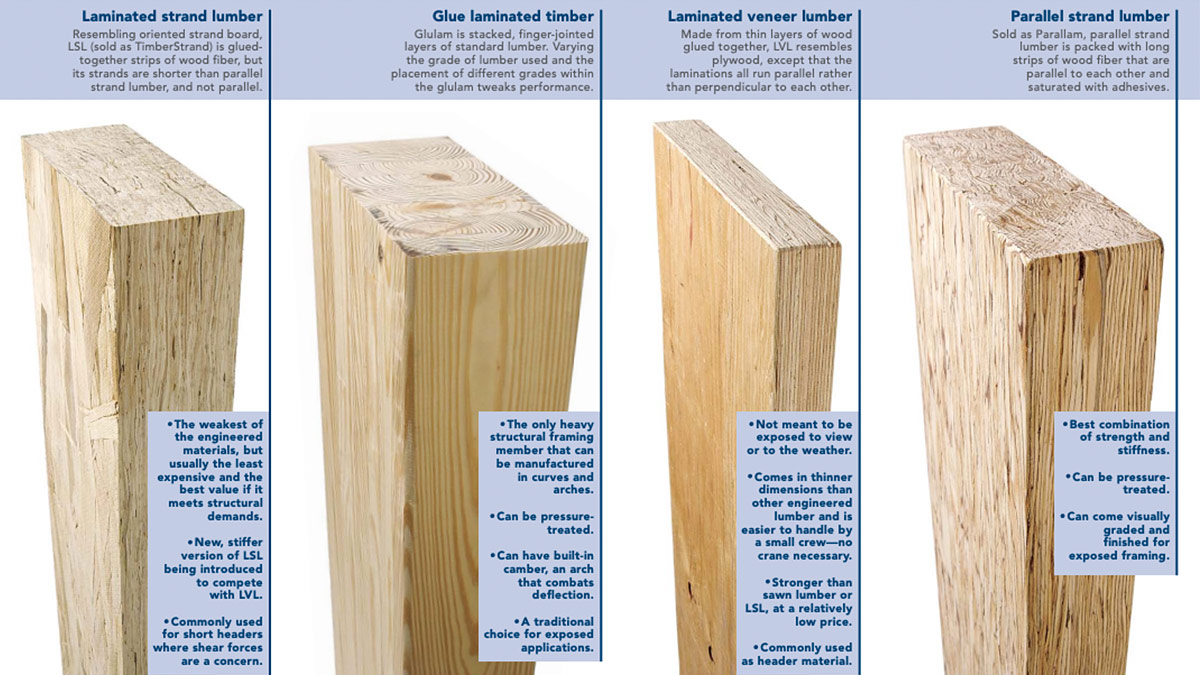
While Owens Corning doesn’t produce traditional dimensional lumber like 2x4s cut from trees, its structural materials stand out for several reasons.
1. Engineered Consistency
Because Owens Corning structural products are manufactured—not grown—they offer:
Uniform dimensions
Predictable performance
Fewer defects like knots or splits
This consistency is especially valuable in applications where precision matters.
2. Moisture Resistance
One of the biggest advantages over standard wood is resistance to moisture.
Unlike wood, which absorbs water and can rot over time, many Owens Corning structural materials are designed to:
Resist water absorption
Maintain shape in damp environments
Reduce mold and decay risk
This makes them suitable for areas where moisture exposure is a concern.
3. Dimensional Stability
Wood naturally expands and contracts. Engineered structural materials are designed to stay stable across temperature and humidity changes.
Benefits include:
Reduced movement
Fewer cracks or gaps
Longer service life
This stability helps maintain the integrity of the structure over time.
Structural Performance vs Standard Lumber
Structural lumber alternatives are designed to meet specific load and performance requirements.
Key Performance Differences
FeatureStandard WoodStructural Lumber AlternativesMaterial consistencyNatural variationHighly controlledMoisture resistanceLimitedHighWarping riskModerate to highLowInsect resistanceVariableTypically highLong-term stabilityCan changeDesigned to remain stable
This doesn’t mean structural alternatives replace wood everywhere—but they shine in targeted applications.
Common Applications for Structural Lumber Alternatives
Owens Corning structural materials are typically used in areas where performance matters more than tradition.
Common use cases include:
Wall systems and assemblies
Structural panels
Areas exposed to moisture
Energy-efficient building designs
Specialized framing solutions
They’re often paired with traditional lumber rather than fully replacing it.


Structural Lumber and Energy Efficiency
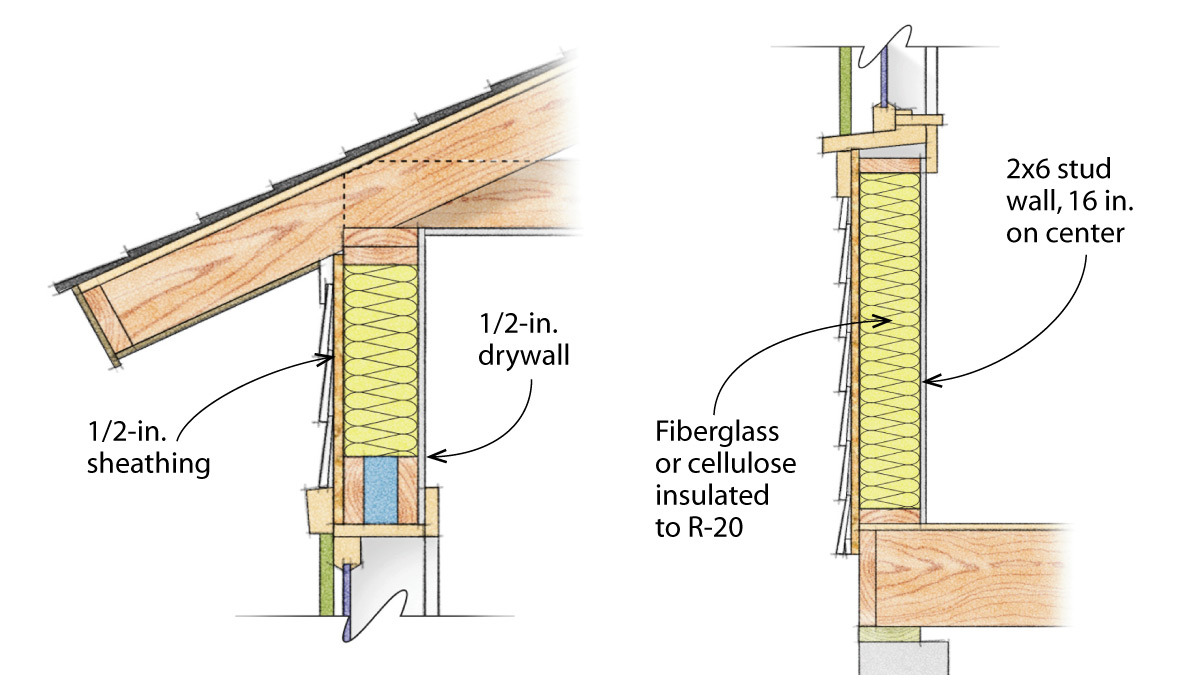
One area where Owens Corning stands out is building envelope performance.
Many of their structural solutions are designed to work with insulation systems, helping:
Reduce thermal bridging
Improve overall energy efficiency
Enhance indoor comfort
Traditional wood framing can create thermal weak points that engineered systems aim to reduce.
Is Owens Corning Structural Lumber a Wood Replacement?
Not exactly.
Structural lumber alternatives are best viewed as problem-solving materials, not universal replacements for wood.
When Traditional Wood Still Makes Sense
Standard framing in dry conditions
Projects prioritizing cost over performance
Applications requiring traditional carpentry methods
When Structural Alternatives Shine
Moisture-prone environments
High-performance or energy-efficient buildings
Areas requiring long-term dimensional stability
The best builds often use both materials strategically.
Cost Considerations
Structural lumber alternatives generally cost more upfront than standard wood. However, they may reduce costs long-term by:
Lowering maintenance needs
Reducing repairs caused by moisture damage
Improving energy performance
For many builders, the decision comes down to total lifecycle cost, not just initial price.
Environmental Considerations
Owens Corning places a strong emphasis on sustainability.
Compared to traditional lumber, structural alternatives may:
Reduce reliance on natural timber
Use recycled or engineered materials
Improve energy efficiency over a building’s lifetime
Environmental impact depends on the specific product and application.
Final Thoughts: What Makes Owens Corning Structural Lumber Different?
Owens Corning structural lumber alternatives differ from standard wood in one key way: they’re engineered to solve specific construction challenges.
They offer:
Consistent performance
Moisture resistance
Dimensional stability
Compatibility with energy-efficient designs
While they don’t replace traditional lumber everywhere, they play an increasingly important role in modern construction where durability and performance matter most.
