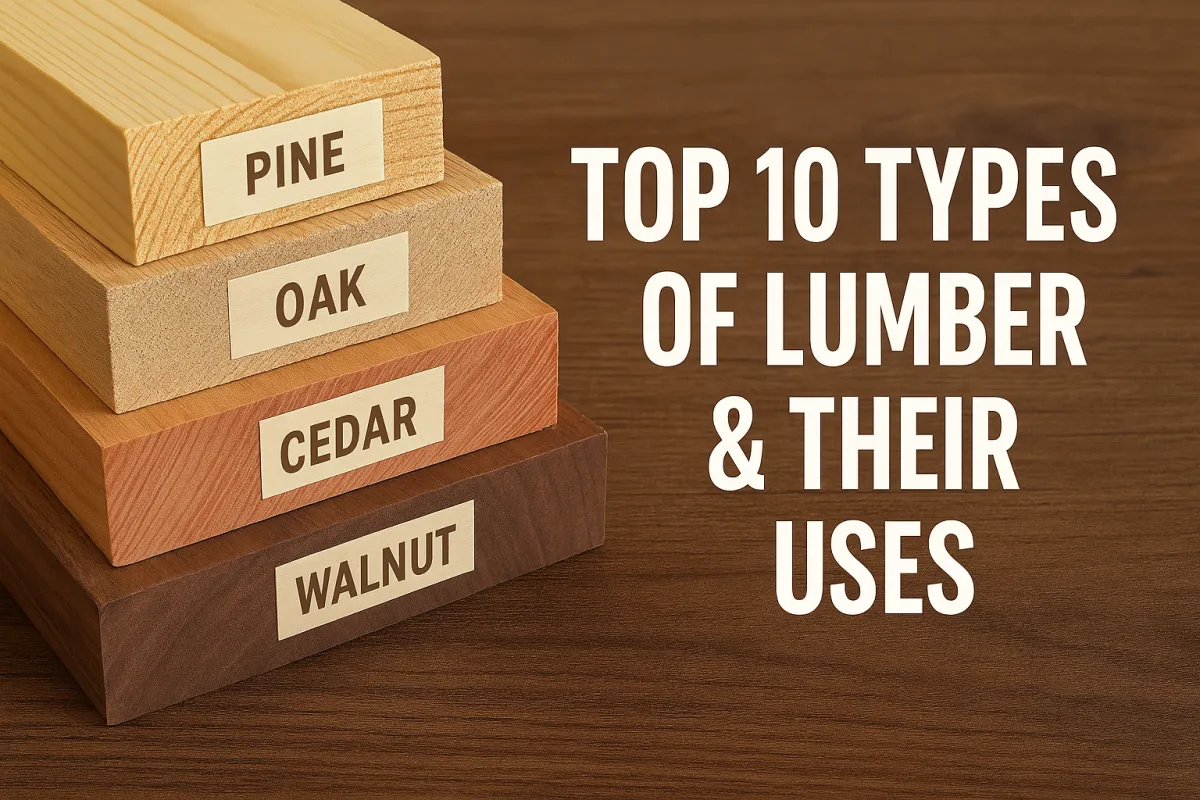
Top 10 Types of Lumber and Their Best Construction Uses
When you walk through a lumber yard like Greemie Mountain, you’ll notice rows of wood that look similar at first glance—but every type of lumber has its own purpose, strength, and beauty. Choosing the right wood for your project can make the difference between a structure that lasts decades and one that warps, cracks, or fails too soon.
Here’s a guide to the top 10 types of lumber and their best uses in construction, whether you’re a contractor, builder, or DIY enthusiast.
1. Pine — The Versatile Workhorse
Best for: Framing, trim, and furniture
Why it’s popular: Pine is affordable, easy to cut, and widely available. It’s lightweight yet strong enough for framing and decorative work. Treated pine is ideal for outdoor projects like decks and fences.2. Cedar — Naturally Resistant to Decay
Best for: Decking, siding, outdoor furniture
Why it’s popular: Cedar contains natural oils that resist rot, moisture, and insects. It’s a favorite for outdoor use and provides a warm, reddish tone that weathers beautifully over time.3. Oak — Strong and Classic
Best for: Flooring, cabinetry, furniture
Why it’s popular: Oak’s strength and grain pattern make it perfect for both structural and aesthetic applications. Red and white oak varieties are durable and easy to finish.4. Douglas Fir — Reliable for Framing
Best for: Beams, framing, and trusses
Why it’s popular: Douglas Fir is prized for its dimensional stability and strength-to-weight ratio. It’s a go-to for load-bearing structures and large-scale construction projects.5. Maple — Smooth and Durable
Best for: Flooring, countertops, furniture
Why it’s popular: Hard maple is incredibly strong with a fine, smooth grain. It resists wear, making it perfect for high-traffic areas and durable furniture pieces.6. Redwood — Beautiful and Weatherproof
Best for: Decking, fencing, outdoor structures
Why it’s popular: Like cedar, redwood contains natural oils that protect it from rot and insects. Its rich color and fine texture make it a premium choice for exterior applications.7. Birch — Clean, Light, and Affordable
Best for: Plywood, cabinets, doors
Why it’s popular: Birch offers a fine grain and pale tone ideal for modern interiors. It’s often used in plywood sheets and veneers, providing strength and an attractive finish.8. Poplar — The Budget-Friendly Hardwood
Best for: Interior trim, painted furniture, paneling
Why it’s popular: Poplar is easy to work with, affordable, and paints well. While it’s softer than most hardwoods, it’s great for non-structural indoor projects.9. Spruce — Common for Framing and Roofs
Best for: Studs, joists, rafters
Why it’s popular: Spruce is lightweight, easy to nail, and affordable—making it ideal for standard framing applications and prefabricated trusses.10. Walnut — The Premium Choice for Fine Finishes
Best for: Luxury furniture, cabinetry, and interiors
Why it’s popular: Walnut’s deep brown color and rich grain make it one of the most beautiful hardwoods available. Though pricey, it’s highly durable and polishes to perfection.How to Choose the Right Lumber for Your Project
When selecting lumber, consider:
Purpose: Structural, decorative, or outdoor use
Durability: Hardwoods last longer but cost more
Moisture resistance: Treated or naturally resistant woods perform better outdoors
Aesthetic appeal: Grain, color, and texture affect your project’s look
At Greemie Mountain, we help builders, craftsmen, and homeowners choose the perfect wood for their specific needs — from framing lumber to premium hardwoods.
Frequently Asked Questions (FAQs)
Q1: What’s the difference between hardwood and softwood?
Hardwoods come from deciduous trees (like oak and walnut), while softwoods come from conifers (like pine and cedar). Hardwoods are generally denser and more durable.Q2: Is pressure-treated lumber safe for indoor use?
It’s not recommended for interior projects due to chemical treatments. Use untreated or kiln-dried lumber indoors.Q3: Which type of lumber lasts longest outdoors?
Cedar, redwood, and pressure-treated pine offer the best resistance to moisture and insects.Conclusion
The right lumber brings strength, character, and longevity to your construction project. From the reliability of Douglas Fir to the elegance of Walnut, every wood type serves a purpose.
At Greemie Mountain, we’re proud to be your trusted full-service lumber yard supplier, offering premium wood products, custom cuts, and expert guidance for any project — big or small.
👉 Visit GreemieMountain.com to explore our full range of quality lumber and woodworking solutions.
