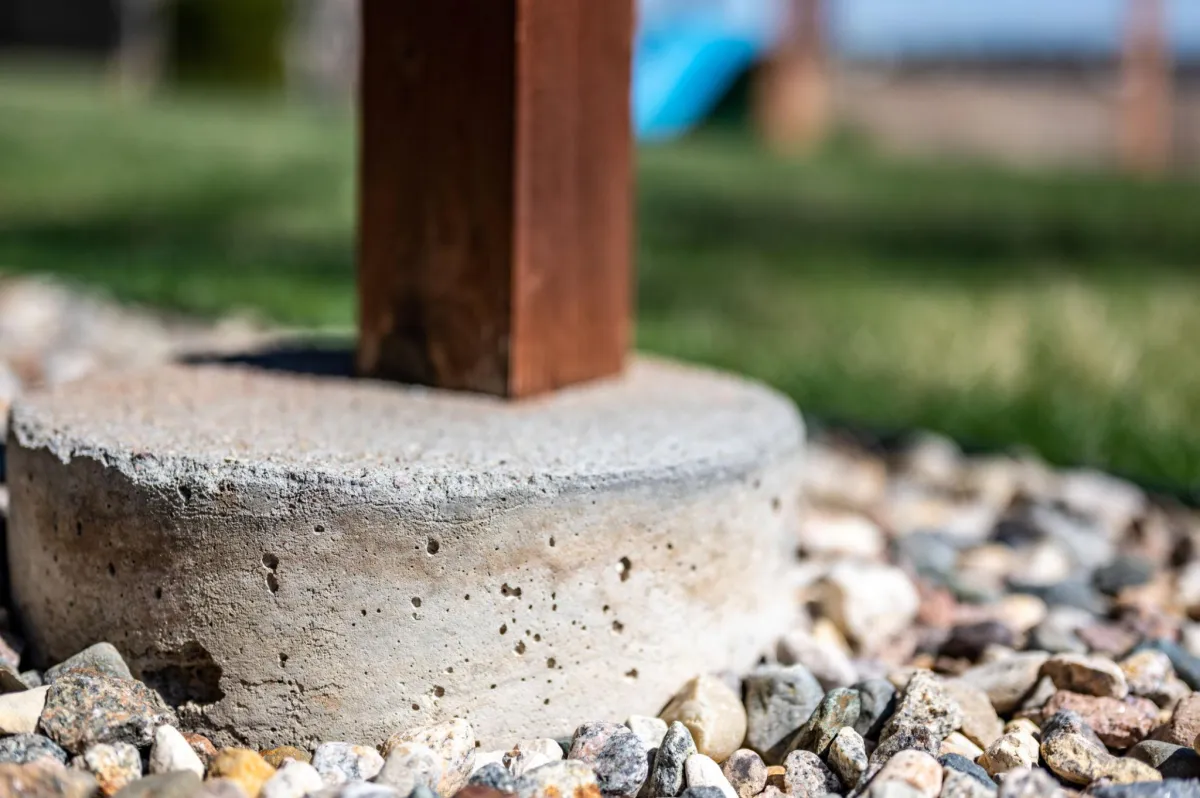
Can You Put Treated Lumber in Concrete? Builder Guide + Tips
Using wood and concrete together is common in decks, fences, pergolas, and structural framing. But one question comes up again and again among homeowners, DIYers, and even experienced builders:
Can you put treated lumber in concrete?
The short answer is yes—but only if you understand which type of treated lumber to use, how moisture affects wood, and what precautions are required. Done incorrectly, embedding lumber in concrete can dramatically shorten its lifespan and compromise structural integrity.
This guide explains everything you need to know about treated lumber in concrete, including when it’s acceptable, when it’s risky, and how to do it the right way.
Why Builders Consider Putting Lumber in Concrete
Concrete provides strength and stability, while wood offers flexibility and ease of construction. Builders often combine the two for:
Fence posts
Deck footings
Pergola and pavilion posts
Signposts
Light structural supports
In many cases, setting posts directly into concrete seems faster and more secure—but moisture behavior is where problems start.
What Is Treated Lumber?
Treated lumber is wood that has been infused with chemical preservatives to resist:
Rot and decay
Fungal growth
Termite and insect damage
The treatment process forces preservatives deep into the wood fibers under pressure, making the lumber suitable for environments where moisture exposure is expected.
Common Types of Pressure-Treated Lumber
Ground-contact treated lumber (rated for soil and moisture exposure)
Above-ground treated lumber (limited moisture resistance)
Untreated lumber (not suitable for concrete contact)
Not all treated lumber is the same—and this distinction is critical when concrete is involved.
Can You Put Treated Lumber in Concrete?
Yes—but only ground-contact–rated treated lumber should be placed in concrete.
Concrete absorbs and holds moisture. When wood is embedded in it, the lumber remains in constant contact with moisture—even if the surrounding environment seems dry. If the lumber is not properly rated, it will eventually rot from the inside out.
Key rule:
If lumber touches concrete, it must be rated for ground contact, not just pressure-treated.
Why Concrete Can Damage Wood Over Time
Many people assume concrete is dry once cured. In reality, concrete is porous and acts like a sponge.
How Concrete Affects Lumber
Absorbs water from soil and air
Holds moisture against the wood
Prevents proper drying
Creates ideal conditions for decay
Even pressure-treated wood can fail prematurely if the wrong type is used or if installation is done incorrectly.
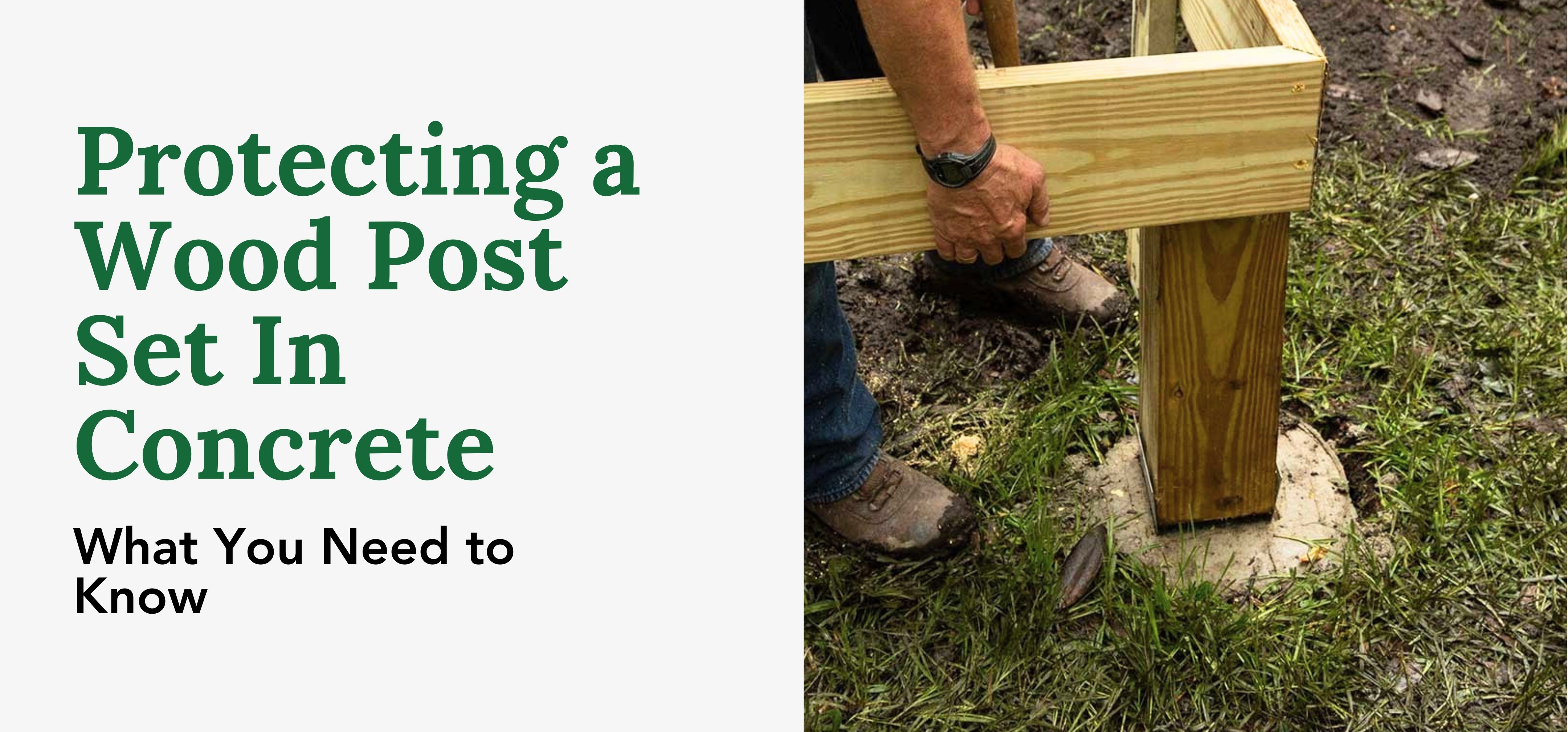


Ground-Contact vs Above-Ground Treated Lumber
Understanding lumber ratings is essential.
Ground-Contact Treated Lumber
Designed for constant moisture exposure
Higher preservative concentration
Approved for direct contact with soil or concrete
Required for posts embedded in concrete
Above-Ground Treated Lumber
Lower preservative levels
Intended for occasional moisture only
Not suitable for concrete or soil contact
Always check the end tag or stamp on the lumber—it clearly states whether it’s rated for ground contact.
Best Practices for Putting Treated Lumber in Concrete
If embedding treated lumber in concrete is necessary, following best practices can significantly extend its lifespan.
1. Use Ground-Contact Rated Lumber Only
Never assume “pressure-treated” automatically means safe for concrete.
2. Allow Drainage at the Bottom
Add gravel beneath the post
Prevent standing water at the base
Improve long-term durability
3. Avoid Encasing the Entire Post
Concrete should support, not suffocate, the lumber.
Slope concrete away from the post
Keep the top of the concrete below grade when possible
4. Seal the Wood
Applying a bituminous or waterproof coating to the embedded section adds an extra moisture barrier.
Alternative: Should Wood Touch Concrete at All?
Many builders now avoid embedding lumber in concrete altogether.
Better Alternatives
Post bases or metal brackets anchored into concrete
Elevated wood posts above the concrete surface
Concrete piers with hardware connections
These methods:
Reduce moisture exposure
Improve airflow
Make replacement easier
Extend lifespan significantly
While slightly more expensive, they are often the best long-term solution.
How Long Does Treated Lumber Last in Concrete?
Lifespan depends on several factors:
Climate, soil conditions, and maintenance also play a role.
Common Mistakes to Avoid
Using above-ground treated lumber in concrete
Skipping gravel drainage
Pouring concrete above grade around posts
Assuming concrete is waterproof
Not checking lumber treatment ratings
These mistakes often lead to premature failure.
Is It Code-Compliant to Put Treated Lumber in Concrete?
Most building codes allow treated lumber in concrete, but only when it meets specific standards:
Ground-contact rating
Approved preservative treatment
Proper installation
Local codes may vary, so it’s always wise to check municipal requirements for structural applications.
Environmental & Safety Considerations
Modern pressure-treated lumber no longer uses arsenic-based preservatives, making it safer than older formulations. However:
Do not burn treated lumber
Wear protection when cutting
Dispose of scraps properly
Concrete contact does not make treated wood unsafe—but improper handling can.
Final Thoughts: Should You Put Treated Lumber in Concrete?
You can put treated lumber in concrete—but only when done correctly.
The safest approach is:
Use ground-contact rated lumber
Improve drainage
Minimize moisture entrapment
Consider post bases where possible
Understanding these principles helps you build structures that last decades—not just a few years.
Frequently Asked Questions (FAQs)
Can pressure-treated lumber rot in concrete?
Yes. If it’s not ground-contact rated or installed improperly, even pressure-treated lumber can rot due to constant moisture exposure.
Is it better to set posts in concrete or gravel?
Gravel allows better drainage and airflow, often extending the lifespan of wood posts compared to solid concrete encasement.
Can you pour concrete directly against treated lumber?
Yes, but only if the lumber is ground-contact rated and proper drainage measures are used.
Should deck posts be embedded in concrete?
Deck posts can be embedded, but many builders prefer post bases to keep wood elevated above concrete for longevity.
Does sealing treated lumber help?
Yes. Sealing the portion that contacts concrete adds an extra moisture barrier and can extend lifespan.
Can untreated lumber ever be used in concrete?
No. Untreated lumber will rot rapidly when exposed to concrete and moisture.
How deep should treated posts be set in concrete?
Typically one-third of the post length should be below ground, but local building codes should always be followed.
